

What Low Testosterone Really Means — and Why It Matters
Low testosterone affects far more men than most people realize. In fact, up to 40% of men over 45 have clinically low levels — yet many brush off the symptoms as “just getting older.”
That’s a problem. Because low testosterone isn’t just about sex drive. It affects your energy, mood, muscle mass, mental clarity, and long-term health.
Here’s a quick summary of what you need to know:
- What it is: A condition where the testicles don’t produce enough testosterone (clinically defined as levels below 300 ng/dL)
- Common symptoms: Low libido, fatigue, loss of muscle, increased body fat, depression, and brain fog
- Main causes: Natural aging, obesity, chronic illness, and pituitary or testicular disorders
- How it’s diagnosed: Two separate morning blood tests confirming levels below 300 ng/dL, combined with symptoms
- Treatment options: Lifestyle changes, or testosterone replacement therapy (TRT) via gels, injections, pellets, or oral medication
It’s normal to feel less interested in sex as you age. It is not normal to feel no interest at all — or to feel exhausted, foggy, and weak on a daily basis.
If any of that sounds familiar, this guide is for you.
I’m Dr. Mustafa Ahmed MD, FACS, FAACS, a board-certified surgeon and internist with extensive clinical experience in men’s metabolic and hormonal health, including the evaluation and management of low testosterone in men with complex medical histories. I’ll walk you through everything you need to know — from how it’s diagnosed to how it’s treated — so you can have an informed conversation with your provider.
Defining Testosterone Deficiency and Clinical Hypogonadism
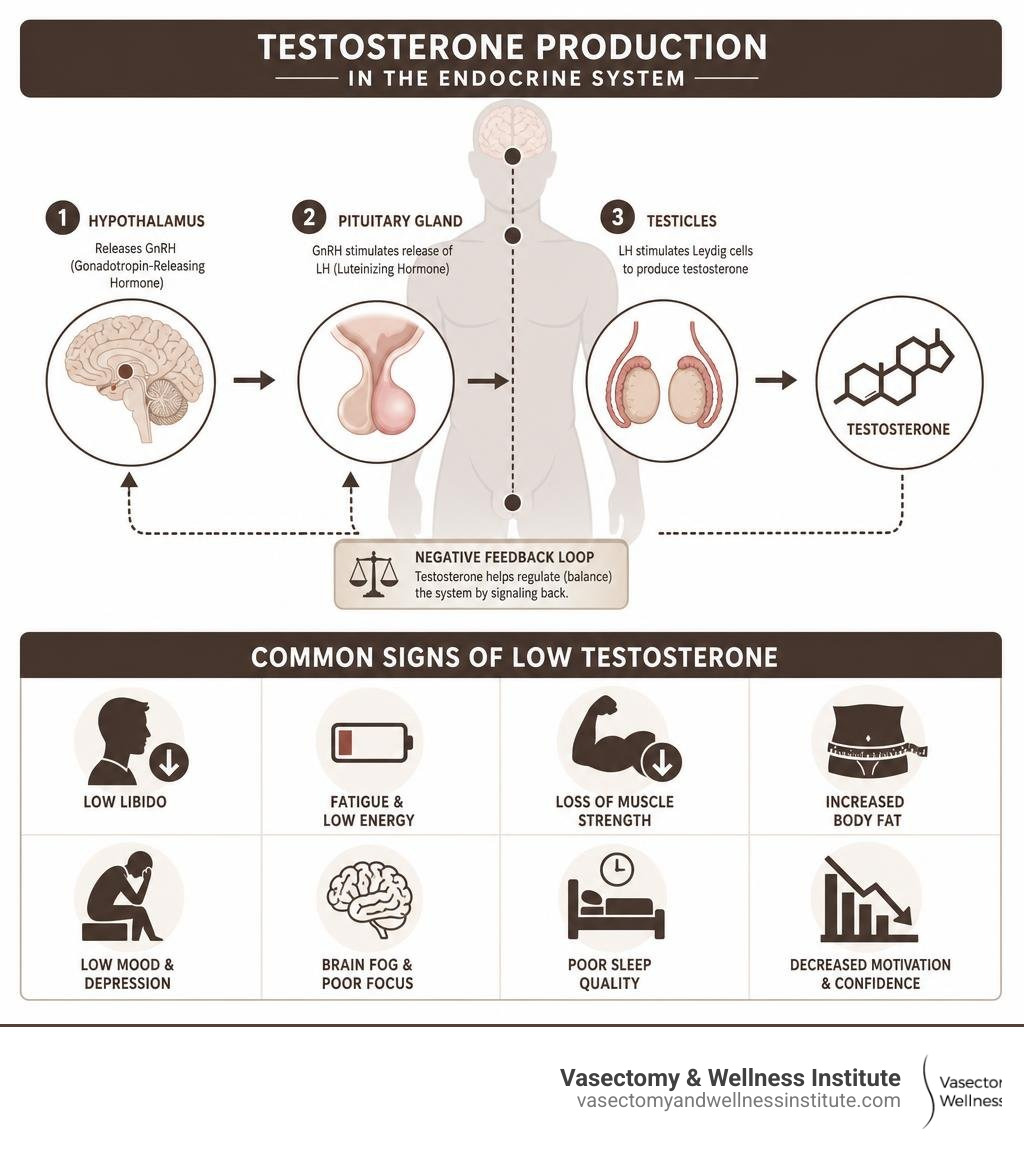
To understand why a drop in hormone levels feels so disruptive, we have to look at how your body produces it in the first place. Testosterone is the primary male sex hormone (androgen), and it acts as the chemical engine for your physical strength, bone density, red blood cell production, and mood.
Ninety-five percent of your testosterone is synthesized in specialized cells within the testes called Leydig cells. This production is carefully orchestrated by the endocrine system, specifically the hypothalamic-pituitary-testicular (HPT) axis. Your brain monitors your blood chemistry; when it detects that hormone levels are dipping, the hypothalamus releases gonadotropin-releasing hormone (GnRH), which prompts the pituitary gland to release luteinizing hormone (LH). LH then travels through the bloodstream to the testes, signaling the Leydig cells to get to work.
When this intricate feedback loop breaks down, the result is clinical hypogonadism—a formal diagnosis indicating that your body cannot produce physiological levels of testosterone. According to the Cleveland Clinic’s guide on hypogonadism, this state of androgen deficiency can impact multiple organ systems and significantly degrade a man’s quality of life.
Clinical Thresholds and Biochemical Hypogonadism
How low is too low? In the medical community, we look at both biochemical numbers and clinical symptoms. Healthcare providers generally consider a total testosterone level below 300 nanograms per deciliter (ng/dL) as the clinical threshold for low testosterone in adults.
However, getting an accurate reading is not as simple as a single, random blood draw. Testosterone levels naturally fluctuate throughout the day, peaking in the early morning hours (typically between 7:00 AM and 11:00 AM) and dropping to their lowest points in the evening. Because of this natural circadian rhythm, the American Urological Association guidelines require at least two separate early morning blood draws, taken on different days, to confirm a diagnosis of biochemical hypogonadism.
Furthermore, we must distinguish between “total” and “free” testosterone:
- Total Testosterone: Measures all the testosterone circulating in your blood. Most of this hormone is bound to proteins like sex hormone-binding globulin (SHBG) and albumin, rendering it temporarily inactive.
- Free Testosterone: Measures the tiny fraction (usually 1% to 2%) that remains unbound and active. This is the testosterone that can actually enter your cells and do its job. In patients with conditions like obesity or liver disease, SHBG levels can shift dramatically, making free testosterone a much more accurate marker of true hormone health.
Primary vs. Secondary Hypogonadism
When diagnosing low testosterone, we must determine where the communication breakdown is occurring. This helps us categorize the condition into one of two main types:
- Primary Hypogonadism (Testicular Failure): This occurs when the problem lies directly within the testicles. The Leydig cells are damaged or dysfunctional and cannot produce testosterone, even though the brain is screaming at them to do so. In this scenario, blood tests will show low testosterone but elevated levels of LH and follicle-stimulating hormone (FSH) as the pituitary gland tries in vain to stimulate production. Common causes include testicular injury, cancer treatments, genetic conditions like Klinefelter syndrome, or natural age-related Leydig cell decline.
- Secondary Hypogonadism (Hypothalamic-Pituitary Dysfunction): This occurs when the testicles are perfectly healthy, but the brain fails to send the necessary signal. The hypothalamus or pituitary gland does not produce enough GnRH, LH, or FSH. Consequently, your testes sit idle. In these cases, blood tests reveal low testosterone alongside low or inappropriately “normal” LH and FSH levels. This can be caused by pituitary tumors, severe chronic stress, sleep apnea, rapid weight gain, or certain medications like opioids and corticosteroids.
Recognizing the Symptoms of Low Testosterone
The clinical presentation of low testosterone is highly variable. While some men experience a sudden, dramatic shift in their vitality, others experience a slow, creeping decline that they mistake for the inevitable toll of aging. Regardless of how quickly they develop, these symptoms have a profound impact on a man’s overall quality of life. For a deep dive into how these signs manifest, you can read our complete list of low testosterone symptoms.

Sexual Symptoms of Low Testosterone
For most men, the most distressing signs of hormone depletion occur in the bedroom. Because testosterone drives the nitric oxide pathways necessary to relax vascular tissue and allow blood flow, a deficiency often leads to:
- Loss of Spontaneous Erections: Healthy men typically experience involuntary erections during deep sleep and upon waking. A noticeable absence of these “morning erections” is one of the most specific indicators of clinical hypogonadism.
- Erectile Dysfunction (ED): While ED can be caused by cardiovascular issues or stress, a lack of hormonal support makes achieving and sustaining an erection significantly harder.
- A Drop in Libido: This is not just a mild decrease in interest; it is often a complete absence of sexual desire or thought.
- Reduced Semen Volume and Sperm Count: Testosterone is crucial for spermatogenesis. A drop in levels can directly impair fertility and reduce the volume of fluid ejaculated.
Physical and Mental Signs of Low Testosterone
The effects of low testosterone extend far beyond sexual health. Because androgen receptors are located throughout your brain, muscles, bones, and fat tissue, deficiency can lead to a wide range of physical and mental symptoms:
- Chronic, Unexplained Fatigue: Feeling completely drained of energy, even after getting a full night of sleep.
- Loss of Lean Muscle Mass and Strength: Finding it increasingly difficult to maintain muscle definition, even with consistent resistance training.
- Increased Abdominal Body Fat: Watching visceral fat accumulate around the midsection while finding it incredibly difficult to lose weight.
- Mood Changes, Irritability, and Depression: Feeling unusually anxious, flat, or quick to anger. In men, depression often manifests as persistent irritability rather than typical sadness.
- Brain Fog and Trouble Concentrating: Struggling to focus on complex tasks, experiencing mild memory lapses, or feeling mentally sluggish.
- Thinning Hair and Reduced Body Hair: Experiencing a decline in facial and body hair growth over time.
What Causes Declining Hormone Levels?
Understanding the underlying etiology of hormone depletion is the first step toward finding a lasting solution. As outlined in Harvard Health’s analysis of testosterone decline, a drop in hormone levels can stem from a mix of natural biological shifts, underlying medical conditions, and lifestyle factors.
Medical Conditions and Aging
It is a well-established medical fact that testosterone levels naturally begin to slowly decline starting in your late 30s or early 40s. On average, a healthy man’s total testosterone level drops by about 1% per year, or roughly 100 ng/dL every decade. While this gradual decline is normal, a sudden or severe drop is often accelerated by underlying medical issues:
- Chronic Illnesses: Conditions such as type 2 diabetes, kidney disease, liver dysfunction, and chronic inflammatory diseases can severely disrupt the HPT axis.
- Cancer Treatments: Chemotherapy and radiation therapy can permanently damage the Leydig cells in the testes or disrupt pituitary function.
- Testicular Injury or Infection: Direct trauma, testicular torsion, or infections like mumps orchitis can impair the testes’ ability to produce hormones.
- Low Thyroid Function (Hypothyroidism): An underactive thyroid gland can slow down your entire metabolic and endocrine system, dragging testosterone levels down with it.
Lifestyle Factors and the Obesity Cycle
Many cases of secondary hypogonadism are functional, meaning they are driven by reversible lifestyle factors. The most prominent culprit is obesity, which triggers a highly disruptive physiological “vicious cycle”:
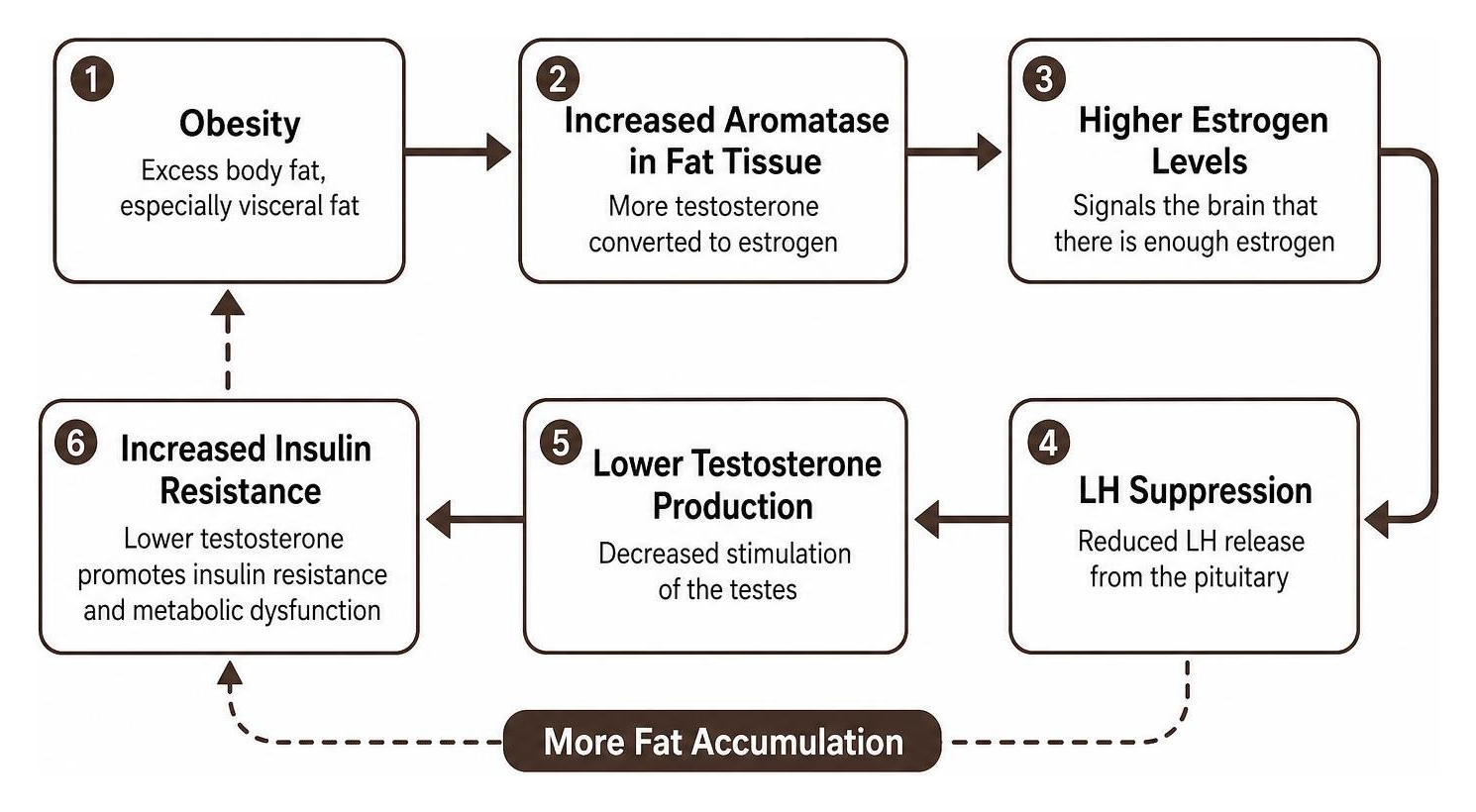
When a man carries excess abdominal fat, several things happen at once:
- Aromatase Activity: Fat tissue contains high amounts of an enzyme called aromatase. This enzyme actively converts circulating testosterone into estradiol (the primary female sex hormone). High levels of estrogen then signal the brain that it has “enough” hormone, suppressing LH production and shutting down native testosterone production.
- Insulin Resistance: Obesity promotes insulin resistance, which directly lowers SHBG levels and impairs testicular function.
- The Cortisol Connection: Chronic stress triggers the continuous release of cortisol, the body’s primary stress hormone. High cortisol levels actively suppress the HPT axis, blocking the release of GnRH and further lowering testosterone.
Diagnosing and Treating Hormone Imbalance
If you suspect your hormones are out of balance, the path forward requires a structured, clinical approach. Self-treating with over-the-counter supplements is not only ineffective but can also be dangerous.

How Doctors Diagnose Low T
A proper clinical evaluation is essential to identify the root cause of your symptoms and ensure that treatment is safe and appropriate. The diagnostic process typically includes:
- Two Separate Morning Blood Tests: Drawn between 7:00 AM and 11:00 AM on fasting samples, spaced at least a few days apart.
- A Comprehensive Physical Exam: To check for physical signs of hormone deficiency, such as loss of body hair, changes in testicular size, or a reduced prostate size during a Digital Rectal Exam (DRE).
- A Detailed Medical History: To rule out other potential causes of your symptoms, such as untreated sleep apnea, thyroid disorders, depression, or side effects from medications.
- Baseline Safety Screenings: This includes measuring your Hematocrit (red blood cell concentration) and Prostate-Specific Antigen (PSA) levels to ensure you do not have pre-existing conditions that would make therapy unsafe.
Testosterone Replacement Therapy (TRT) Options
If lifestyle changes are not enough and clinical hypogonadism is confirmed, Testosterone Replacement Therapy (TRT) can be highly effective. The goal of TRT is to restore your hormone levels to a healthy, physiological range (typically between 450 and 600 ng/dL), resolving your symptoms and restoring your vitality.
There are several FDA-approved administration methods available:
| Administration Method | Frequency of Use | How It Works | Key Advantages | Potential Drawbacks |
|---|---|---|---|---|
| Intramuscular Injections | Every 1 to 2 weeks | Injected directly into the muscle (glute or thigh) | Highly effective; allows for precise dose adjustments | Can cause hormonal peaks and valleys; requires needles |
| Transdermal Gels / Creams | Daily | Applied to the shoulders, upper arms, or abdomen | Maintains steady, stable hormone levels day-to-day | Risk of transferring the gel to women or children via skin contact |
| Subcutaneous Pellets | Every 3 to 6 months | Small pellets implanted under the skin of the hip | Extremely convenient; no daily or weekly maintenance | Requires a minor, in-office surgical procedure to insert |
| Oral Undecanoate | Daily (with meals) | Pills absorbed through the lymphatic system | Avoids needles, gels, and surgical implants | Must be taken with high-fat meals; requires strict compliance |
Risks and Benefits of Hormone Therapy
Like any medical treatment, TRT comes with a balance of benefits and risks that must be carefully evaluated.
The Benefits: For men with true testosterone deficiency, restoring normal levels can be life-changing. Most patients notice an improvement in mood and libido within the first few weeks of starting treatment. Changes in muscle mass and strength typically begin to manifest around 8 to 12 weeks, while improvements in body fat distribution can take up to 6 months.
The Risks and Side Effects:
- Polycythemia (Elevated Hematocrit): TRT stimulates red blood cell production. If your hematocrit levels rise too high (above 54%), your blood can become viscous, increasing the risk of blood clots. This is why regular blood monitoring is essential.
- Prostate Health: While current scientific evidence (including the landmark TRAVERSE trial) shows that TRT does not cause prostate cancer, exogenous hormones can stimulate the growth of pre-existing, active prostate malignancies.
- Fertility Suppression: This is one of the most critical and frequently overlooked risks. Exogenous testosterone shuts down your body’s natural production of LH and FSH, which are required for sperm production. If you are actively trying to conceive, standard TRT is contraindicated.
Natural Ways to Support Testosterone Levels
For many men—especially those with mild symptoms or functional, lifestyle-induced low T—the first line of defense should be natural lifestyle optimization. Making targeted changes for 6 to 12 months can often restore healthy hormone levels without the need for medical intervention.
Diet, Exercise, and Sleep Optimization
To naturally optimize your endocrine system, focus on the following foundational pillars:
- Prioritize High-Quality Sleep: Deep, restorative sleep is the primary window when your body produces the vast majority of its testosterone. Aim for 7 to 9 hours of uninterrupted sleep per night. Even short-term sleep deprivation can cause a rapid, measurable drop in your hormone levels.
- Incorporate Consistent Resistance Training: Lifting weights or performing bodyweight strength training 2 to 3 times per week is one of the most effective ways to stimulate native hormone production. Focus on compound movements like squats, deadlifts, and chest presses that engage large muscle groups.
- Adopt a Nutrient-Rich Diet: Ensure your diet includes adequate amounts of healthy fats (found in avocados, nuts, and olive oil), which serve as the building blocks for hormone synthesis. Ensure you are getting enough Vitamin D, zinc, and magnesium, which are essential cofactors for testosterone production.
- Manage Chronic Stress: Practice daily stress-reduction techniques—such as mindfulness, meditation, or walking outdoors—to keep cortisol levels in check.
- Moderate Your Alcohol Intake: Excessive alcohol consumption directly damages Leydig cell function and accelerates the conversion of testosterone into estrogen. Limit your intake to a maximum of 1 to 2 drinks per day.
Frequently Asked Questions about Hormone Health
Navigating hormone health can be confusing, especially with so much conflicting information online. For more detailed insights and articles on men’s health, explore our wellness blog.
Does a vasectomy cause low testosterone?
This is one of the most common myths we encounter, and we want to put your mind completely at ease: No, a vasectomy does not cause low testosterone.
A vasectomy is a simple, highly effective procedure that blocks the vas deferens—the tubes that transport sperm from the testes to the urethra. It does not alter the blood supply to your testicles, nor does it affect the Leydig cells, which produce testosterone. Because testosterone is released directly into your bloodstream (not your semen), a vasectomy has absolutely zero impact on your hormone levels, sex drive, muscle mass, or energy.
How long does it take to see results from TRT?
Patience is key when starting hormone therapy. While some changes happen quickly, others take time as your body adjusts:
- Weeks 1 to 4: You will likely notice improvements in your mood, energy levels, mental clarity, and libido.
- Weeks 8 to 12: Changes in lean muscle mass, physical strength, and exercise recovery begin to take hold.
- Months 3 to 6: You will see more significant shifts in body fat distribution and overall physical composition.
We typically use a 3-month trial period as our standard benchmark. If your blood levels have normalized after 3 months but you have noticed absolutely no improvement in your symptoms, we will look for other underlying causes, such as thyroid issues or depression.
Can TRT affect my fertility?
Yes, standard TRT will significantly suppress your fertility. When you introduce exogenous testosterone into your body, your brain assumes you have plenty of hormone and shuts down the production of LH and FSH. Without these signaling hormones, sperm production (spermatogenesis) grinds to a halt.
If family planning is in your future, do not lose heart. We can utilize alternative, fertility-preserving therapies to boost your testosterone levels without shutting down sperm production:
- Clomiphene Citrate: An oral medication that blocks estrogen receptors in the brain, tricking your pituitary gland into producing more LH and FSH, which naturally boosts your own testosterone production.
- Human Chorionic Gonadotropin (hCG): An injectable therapy that mimics LH, directly stimulating your Leydig cells to produce testosterone while keeping your sperm production active.
Conclusion
At the Vasectomy & Wellness Institute in Henderson, Nevada, we believe that you deserve to feel strong, sharp, and energized at every stage of life. If you are struggling with persistent fatigue, brain fog, or changes in your physical and sexual health, you do not have to simply accept it as a normal part of aging.
Our team specializes in providing comprehensive, personalized evaluations and advanced men’s wellness services tailored to your unique biology. We pride ourselves on offering easy, painless, minimally invasive, no-needle/no-scalpel procedures with quick recoveries and expert, compassionate care.
Ready to reclaim your vitality and take control of your health? Reach out to us today to schedule your consultation.